

Our Mission
To advocate for:
• Modernized blast monitoring and exposure tracking standards.
• Clear VA service-connection pathways for blast-related injury.
• Transparent data collection and public accountability.
• Congressional and Federal Agency oversight to ensure implementation of monitoring, research, mitigation, and care standards.
To be an informational resource for:
• Veterans and Service members.
• Caregivers, spouses, significant others.
• Clinicians, medical providers, and healthcare professionals.
• Congressional and Federal Agency legislative teams, and policy teams.
Bill Tracker
Updated October 12, 2026. Refreshed each week with the weekly digest.
| Bill | Status | COWAC position |
|---|---|---|
| H.R. 9237, Take Care of America's Veterans Act | Stalled. Pulled from the House floor July 16, 2026. No vote scheduled. | Support Secs. 310 and 311. Strike Sec. 108. |
| S. 4744, Senate companion | In committee. Has not moved out of committee. | Support Secs. 310 and 311. Strike Sec. 108. |
| BOAA 2026, COWAC model bill | Draft. Prepared for the House and Senate Veterans' Affairs Committees, April 30, 2026. | Presumptive service connection for blast-exposed combat arms veterans. |
Every letter and position paper COWAC has sent is on our Positions and Letters page.
Our position on H.R. 9237
The Take Care of America's Veterans Act (H.R. 9237) was introduced in the House on June 10, 2026, as a package of more than 60 bipartisan bills.
COWAC strongly supports enactment of Section 310 (Modification of the Precision Medicine for Veterans Initiative) and Section 311 (Establishment of the VA Blast Overpressure Task Force). These provisions are among the most consequential federal steps yet taken toward recognizing occupational blast overpressure exposure as a documented injury. In the same bill, however, Section 108 reduces disability compensation for tinnitus and sleep apnea, two of the most reliably documented sequelae of blast exposure in the peer-reviewed literature.
Section 108 directly undercuts the purpose of Sections 310 and 311. COWAC urges that Section 108(a) and Section 108(b) be struck in full, and that Sections 310 and 311 proceed to enactment.
COWAC has drafted the Blast Overpressure Accountability Act (BOAA 2026) as a model framework for the presumptive service-connection pathway that the Task Force's chapter 11 and 15 recommendations should ultimately support. We offer it as a blueprint for where this work leads.
Posts and published Information
Latest from COWAC

Science and Information
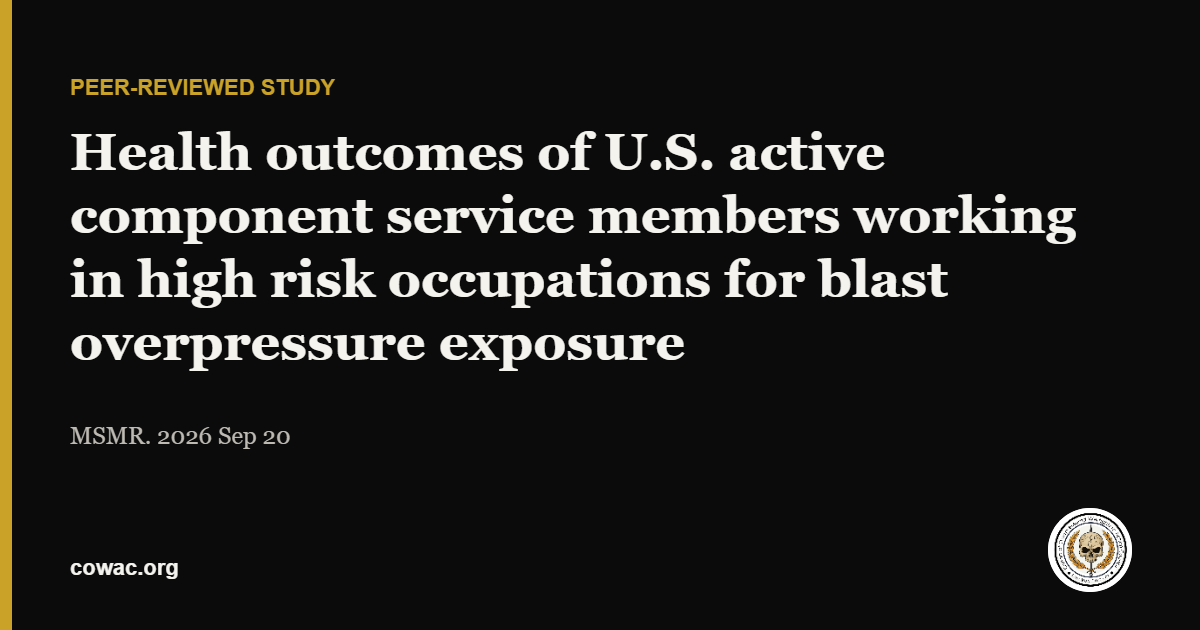
Latest on Published Blast Overpressure Research on Pubmed
PubMed
by Jordan E Gildehaus on October 13, 2026 at 10:00 am
PubMed
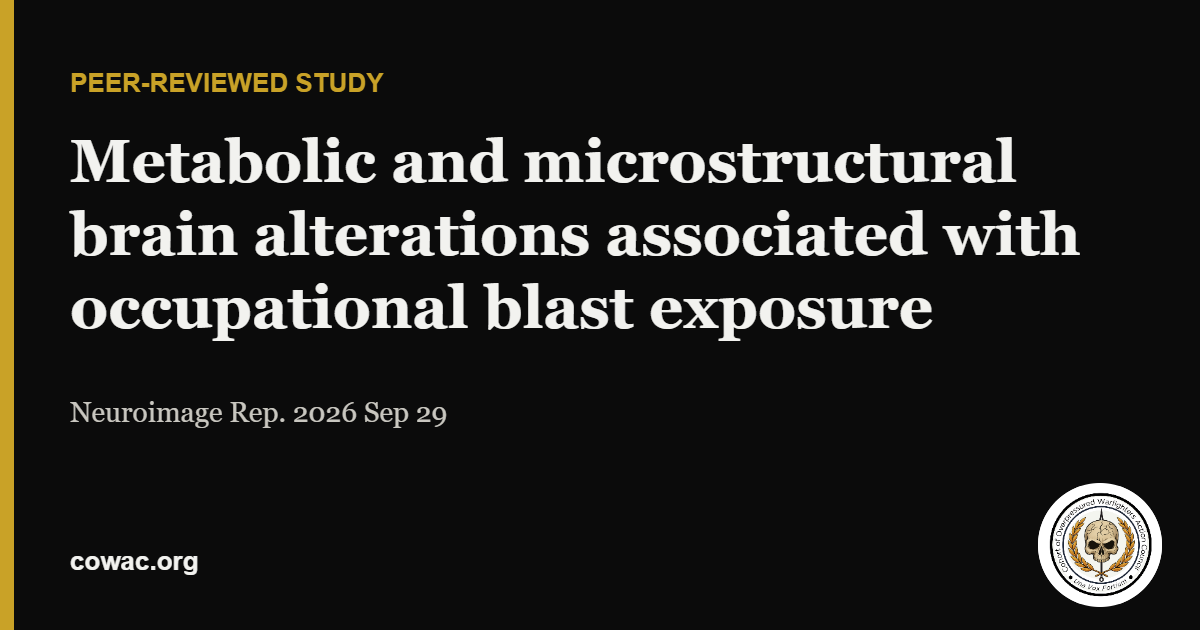
Metabolic and microstructural brain alterations associated with occupational blast exposure
by Chihwa Song on October 10, 2026 at 10:00 am
PubMed
by Michael J Roy on October 1, 2026 at 10:00 am
PubMed
by Rebecca A Ivory on September 24, 2026 at 10:00 am
PubMed
by Sarah L Martindale on September 16, 2026 at 10:00 am
PubMed
Lobar Brain Volume Associations With Brain-Age Gap in Canadian Special Operations Forces Breachers
by Juan Fernandez-Ruiz on September 14, 2026 at 10:00 am
Frequently Asked Questions
What is occupational blast overpressure exposure (OBOE)?
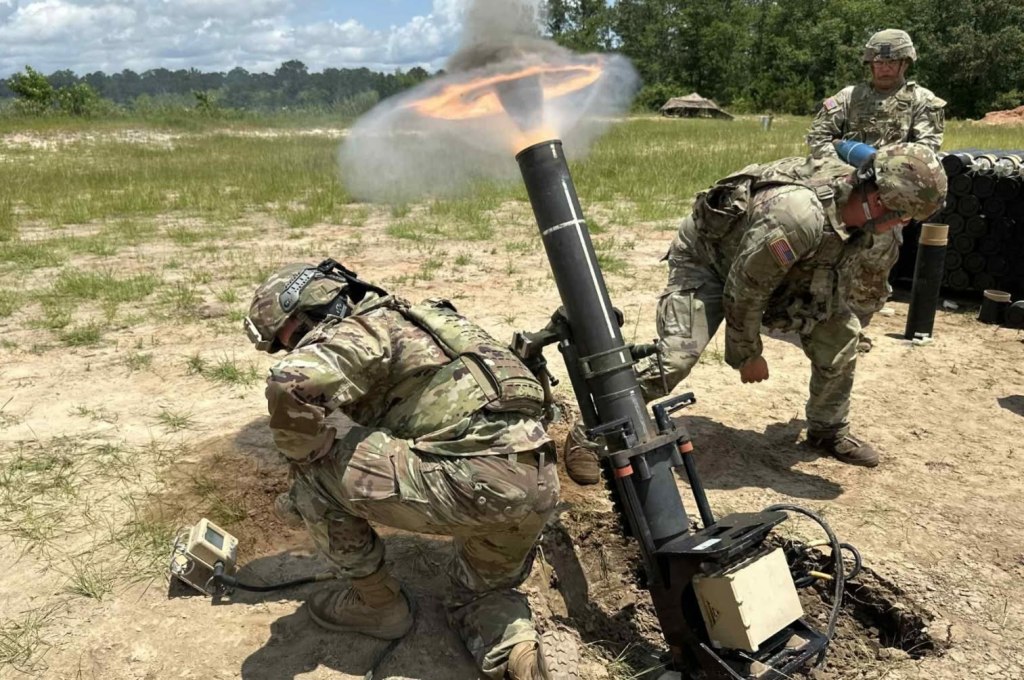
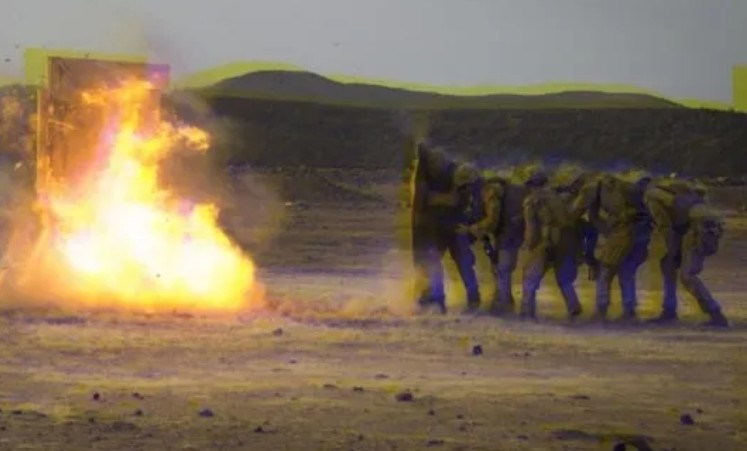
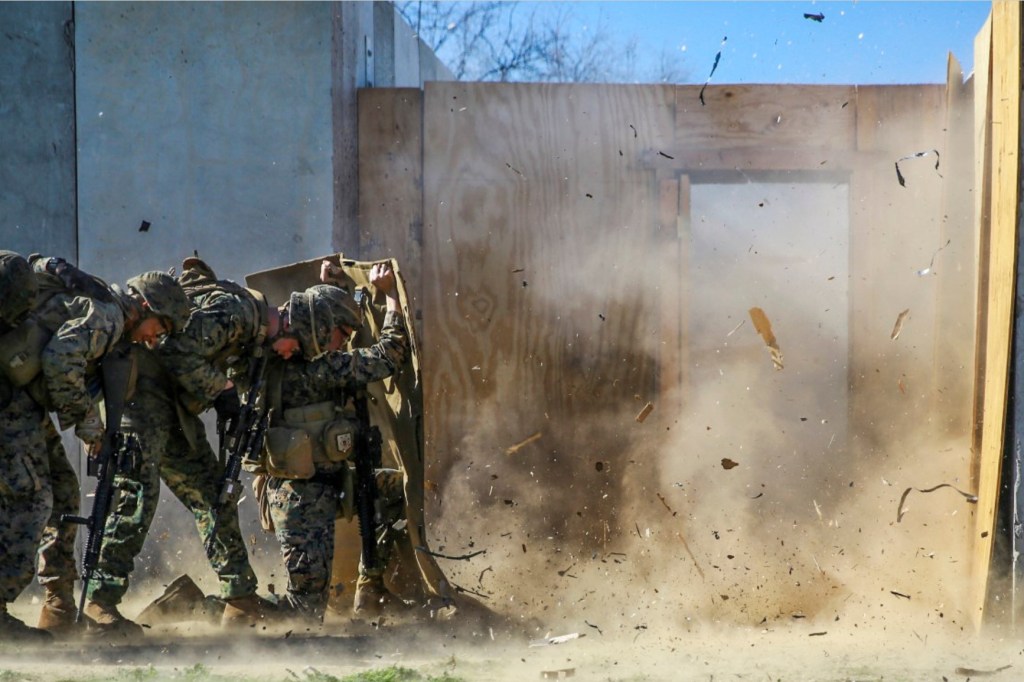
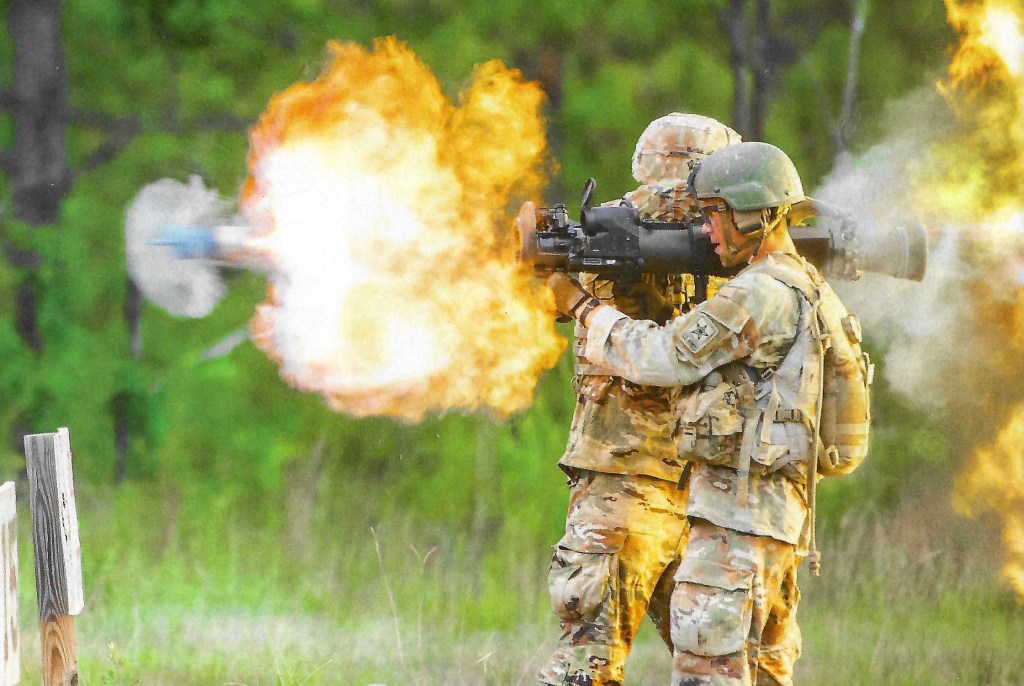
Occupational blast overpressure exposure refers to the cumulative neurological stress caused by repeated exposure to blast waves generated by weapons systems in training and combat environments: artillery, mortars, breaching charges, heavy weapons, and similar platforms. Unlike a single catastrophic blast event, OBOE is the product of hundreds or thousands of lower-level exposures accumulated over a career. The brain registers each one, and the damage compounds over time. Current Department of Defense/Department of War medical protocols are now being developed to detect and track it.
Who is at risk?
Veterans and active-duty servicemembers who served in combat arms or combat support occupational specialties with routine exposure to heavy weapons systems. This includes but is not limited to artillerists, mortarmen, tankers, combat engineers, special operations personnel, and breaching teams. The August 2024 DEPSECDEF Memorandum (OSD005281-24) identifies a roster of high-risk Military Occupational Specialties across all branches. That roster is a significant institutional acknowledgment that this population carries a distinct and documented exposure burden.
What are the health consequences?
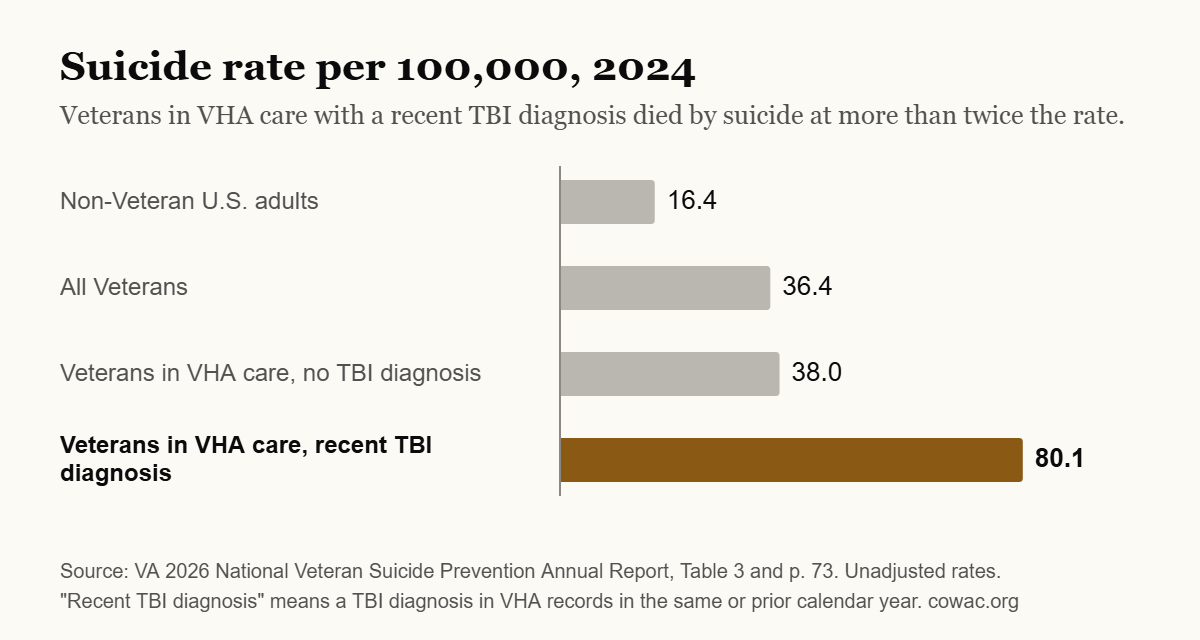
The peer-reviewed literature documents a range of neurological and neuroendocrine consequences associated with repetitive low-level blast exposure, including chronic traumatic encephalopathy spectrum disorders, persistent post-concussive syndrome, cognitive impairment, mood dysregulation, sleep disruption, and pituitary dysfunction. These conditions are chronic, often progressive, and frequently misattributed to PTSD or other causes delaying diagnosis and VA service-connection claims.
Why hasn't this been addressed already?
The evidentiary record on repetitive occupational blast exposure has been building for years. What continues to occur is institutional lag, largely based on fiscal concerns. The Department of War (formerly Department of Defense) has begun to take strides to acknowledge and monitor exposure. However, it is still working on mitigation. Yet, within the Department of Veterans Affairs (VA), recognition and treatment are ill-defined or absent, and Congress has yet to compel hearings on the issue to inform legislative priorities. COWAC exists specifically to apply sustained, evidence-based pressure on all three fronts.
What is COWAC asking Congress and the VA to do?
Our legislative agenda has four pillars:
- Modernized blast exposure monitoring within the Department of War. Mandatory, longitudinal blast dosimetry across all designated high-risk Military Occupational Specialties, with individualized exposure tracking, threshold-based medical evaluation triggers, and centralized reporting that supports long-term epidemiological research throughout a servicemember's career, not only after a documented traumatic event.
- Presumptive VA service-connection pathways for blast-related neurological injury. Recognition of qualifying neurological conditions, including chronic traumatic encephalopathy spectrum disorders, persistent post-concussive syndrome, and related cognitive and neuroendocrine dysfunction, as presumptively service-connected for veterans with documented service in high-risk MOS designations.
- Pass Take Care of America's Veterans Act (H.R. 9237) provisions 310 and 311 while striking section 108 completely.
- Mandatory transparency and independent oversight of blast-related health data held by the Department of War and the Department of Veterans Affairs, including public reporting of aggregate exposure data by branch and specialty, independent audit authority over relevant research programs, and full disclosure of internal findings bearing on service-connection determinations.
These four pillars are the minimum credible response to a documented occupational injury affecting an identifiable population of combat arms veterans. Each is grounded in peer-reviewed evidence, achievable through existing legislative and regulatory mechanisms, and consistent with precedents Congress has already set under the Agent Orange Act, the Gulf War Act, and the PACT Act.
Why is funding a barrier if the science supports action?
It shouldn't be, but it is. In the current Congressional environment, even broadly supported legislation can stall when the question of budgetary offset becomes the primary obstacle rather than the underlying merits. COWAC recognizes this dynamic and addresses it directly: the cost of inaction is not zero. Blast-exposed veterans whose injuries go unrecognized are already generating significant federal expenditure through misattributed VA disability claims, inadequate mental health treatment, and the long-term costs of unmanaged neurological disease.
The fiscal question facing Congress is not whether to fund a response to occupational blast overpressure exposure; it is whether to fund it intentionally through targeted research and streamlined service-connection pathways, or to continue absorbing its costs invisibly and inefficiently through a system that does not yet have the right tools to address them. We believe the former is the moral choice and the fiscally defensible one. COWAC engages directly with Congressional budget and appropriations staff to make that case, and we welcome any office willing to work through the fiscal architecture of a serious response.
I'm a veteran. How do I know if this applies to me?
If you served in a combat arms or heavy weapons role and are experiencing neurological symptoms such as cognitive difficulties, persistent headaches, mood changes, memory problems, sleep disruption, or other post-concussive symptoms, your occupational history is clinically relevant, and you may have a viable VA service-connection claim. We encourage you to speak with a clinician familiar with blast-related neurological injury, and consult a veteran service organization or accredited claims agent about your options. COWAC's evidence materials are available to share with your treating provider and accredited VA representative.
I'm a clinician. What resources are available?
Each peer-reviewed blast study COWAC posts links to the full text on PubMed or the publisher. Start with the Science and Information section on this page. A veteran may also bring you a request for an Independent Medical Opinion (IMO), Occupational Blast Overpressure Exposure (OBOE), along with their military service and personnel records and clinical records for review.
How does COWAC work with other veteran service organizations?
We actively seek coalition partnerships with VSOs who share a commitment to evidence-based advocacy for combat arms veterans. We work alongside peer organizations. If your organization works with blast-exposed veterans or has an interest in the neurological health policy space, we welcome a conversation about how we can support each other's work.
Is COWAC a partisan organization?
No. The neurological health of combat arms veterans is not a partisan issue, and COWAC does not operate as one. We engage with legislators, committee staff, and federal agencies on the merits, bringing data and veteran testimony to every office regardless of party. We have found allies on both sides of the aisle and intend to keep it that way. Our only criterion is willingness to look at the evidence and act on it.
How can I get involved or support COWAC's work?
The Cohort community of more than 3,000 members on Facebook includes veterans, military families, clinicians, researchers, and advocates. If you want to add your voice, connect with us on social media, share our materials with your networks, or reach out directly about partnership, testimony, or other forms of engagement. Every credible voice that joins this effort strengthens the case for the veterans we represent. Contact us through the form on our contact page.